Gatineau · QC
Professional electrical safety inspection in Gatineau by licensed electricians with 15 years’ experience in Quebec.
About this service
An electrical safety inspection checks your home's wiring, panel, grounding, outlets, and connections against Quebec electrical code. We test circuits for overloads, check grounding integrity, identify fire hazards, and document everything in a written report. Inspections are required for home sales, often requested by insurers, and recommended before major renovations.
Gatineau's mix of post-war bungalows and 1970s brick homes often have aluminum wiring, undersized panels, and electric baseboard heating circuits that degrade over time. Homes built before 1980 may have two-prong outlets with no grounding, outdated breakers, or knob and tube remnants. An inspection finds these issues before they become insurance problems or fail during a sale.
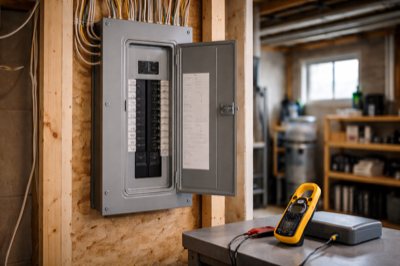
Why choose us
We've completed electrical inspections across Gatineau for 15 years. Our electricians work under RBQ licence #5814-7273-01 and know what Quebec insurers and real estate lawyers look for in inspection reports.
Licences & memberships
Before you book
The questions most clients ask first. Answered directly.
When do I need an electrical safety inspection in Gatineau?
Home sales require an inspection in most cases. Insurance companies often request one when you buy an older home or renew a policy on a property built before 1980. Inspections are also recommended before renovations to confirm your panel and wiring can handle new loads. If you're adding an EV charger, hot tub, or finishing a basement, an inspection confirms your system is safe to upgrade.
Should I get an electrical inspection before buying a home?
Yes. An inspection finds problems the general home inspector may miss. Aluminum wiring, outdated panels, missing grounding, and failing circuits all affect insurance eligibility and renovation budgets. Knowing what needs work before you close lets you negotiate repairs or budget accurately. Many Gatineau buyers include electrical inspection as a condition of sale.
What does an electrical safety inspection cover?
We inspect the panel, all visible wiring, outlets, switches, grounding, circuit breakers, and connections. We test circuits for proper load distribution and check for code violations. The inspection includes baseboard heater circuits, exterior outlets, and garage wiring. You receive a written report with photos documenting what meets code and what needs attention.
What happens if the inspection finds problems?
The report lists each issue, explains why it matters, and estimates repair cost. Minor issues like missing outlet covers or loose connections can be fixed during the inspection. Larger problems like panel upgrades, aluminum wiring repairs, or grounding work are quoted separately. The report gives you documentation for insurance, buyers, or renovation planning.
How long does an electrical inspection take?
Most inspections take two to three hours depending on home size and age. A bungalow with an accessible panel and basement takes less time than a two-storey home with finished walls and multiple additions. We can schedule inspections within a few days of your call in most cases.
Do I need an electrical inspection before renovating?
If you're finishing a basement, adding a kitchen, or installing high-load equipment, an inspection confirms your panel and wiring can handle the new demand. Many Gatineau homes have 100-amp panels that need upgrading before you add circuits. Knowing this before you start saves time and prevents mid-project surprises.
Common questions
Specific questions about this service in Gatineau. Answered directly, without the runaround.
An inspection covers your electrical panel, all accessible wiring, outlets, switches, grounding system, and circuit breakers. We test circuits for overloads, check for proper grounding at three-prong outlets, inspect baseboard heater connections, and document code violations. In Gatineau's post-war homes, we pay particular attention to aluminum wiring in 1970s builds, undersized panels serving electric heat, and missing grounding in older neighbourhoods. The inspection includes exterior outlets, garage circuits, and any visible junction boxes. You receive a written report with photos showing what we found, what meets current Quebec electrical code, and what needs repair or upgrading. This report satisfies insurance requirements and gives buyers documentation during home sales.
Inspections run between two hundred and four hundred dollars depending on home size, age, and complexity. A bungalow with an accessible panel and basement costs less than a two-storey home with finished walls and multiple additions. Homes built before 1970 take longer to inspect because we check for knob and tube wiring, aluminum connections, and grounding issues common in that era. Gatineau's electrically heated homes often have more circuits than gas-heated homes, which adds inspection time. If you're buying or selling, the inspection cost is small compared to what undiscovered electrical problems cost later. We give you a written price after assessing the job, before any work starts.
Buyers should get an inspection on any home built before 1990, especially in Gatineau where aluminum wiring and undersized panels are common in 1970s brick homes. Insurance companies often require proof that the electrical system meets code before issuing a policy. An inspection finds problems the general home inspector may miss, like failing baseboard heater circuits, aluminum connections that need pigtailing, or panels that can't handle modern loads. Homes heated with Hydro-Quebec electricity often have high electrical demand, and older 100-amp panels struggle with this plus EV chargers or other upgrades. The inspection gives you leverage to negotiate repairs or budget accurately for upgrades after closing. Many real estate lawyers in Gatineau recommend electrical inspections as a standard condition of sale.
Aluminum wiring in homes built between 1965 and 1975 is the most common issue we find in Gatineau. Connections deteriorate over time and need copper pigtailing to meet code. Undersized panels are the second most frequent problem. Post-war bungalows and 1970s homes typically have 100-amp service, which can't handle electric baseboard heating plus modern appliances, EV chargers, and other loads. Missing grounding at outlets is common in homes built before three-prong outlets became standard. Outdated breaker types, failing baseboard heater circuits, and knob and tube wiring remnants also appear regularly in older Gatineau neighbourhoods. We document each issue in the inspection report with repair recommendations and cost estimates.
Most inspections take two to three hours. A straightforward bungalow with an accessible panel and unfinished basement goes faster. Two-storey homes with finished walls, multiple additions, or complex wiring take longer. Homes built before 1970 require more time because we check for knob and tube, test grounding at every outlet, and inspect aluminum wiring connections. Gatineau's electrically heated homes often have more circuits than comparable gas-heated homes, which adds inspection time. We schedule inspections to fit your timeline. If you're buying a home and need the report quickly for closing, we can usually accommodate that.
Yes. Every inspection includes a written report with photos documenting what we found. The report lists each issue, explains whether it's a safety hazard or a code violation, and provides repair cost estimates. We note what meets current Quebec electrical code and what needs upgrading. Insurance companies, real estate lawyers, and buyers accept this as professional documentation. The report is yours to keep and share. If you're buying a home, it gives you evidence to negotiate repairs or budget for upgrades. If you're selling, it shows buyers the electrical system has been professionally assessed. We explain the findings in plain language during the inspection, and the written report reinforces what we discussed.
Yes. Insurance companies in Quebec often request an electrical inspection on homes built before 1980 or homes with known issues like aluminum wiring, knob and tube, or outdated panels. Some insurers won't cover homes with certain panel brands or wiring types until they're upgraded. An inspection provides documentation that your electrical system meets code, which can reduce premiums or satisfy underwriting requirements. If the inspection finds problems, insurers may require repairs before issuing or renewing a policy. In Gatineau, where many homes have electric baseboard heating and higher electrical loads, insurers pay close attention to panel capacity and circuit condition. The inspection report gives you what you need to satisfy insurance requirements or plan repairs.
A general home inspection covers the whole property but checks electrical systems only at a surface level. The inspector looks at the panel, tests a few outlets, and notes obvious problems. An electrical inspection conducted by a licensed electrician goes deeper. We test every circuit, verify grounding at all outlets, check connections for heat damage, assess panel capacity against actual load, and identify code violations the general inspector may miss. In Gatineau's older homes, this matters because aluminum wiring, failing baseboard heater circuits, and undersized panels aren't always visible during a walkthrough. Our inspections are conducted under RBQ licence #5814-7273-01, which means the findings meet Quebec regulatory standards and satisfy insurance requirements. A home inspection tells you the electrical system exists. An electrical inspection tells you whether it's safe and code-compliant.
What clients say
Needed an inspection for insurance on a 1973 bungalow in Aylmer. The electrician found aluminum wiring connections that needed pigtailing and explained exactly what that meant and why it mattered. Report was ready two days later with photos and cost estimates. Insurance company accepted it without question.
We were buying a home in Hull and our lawyer recommended an electrical inspection. Found an undersized panel and several circuits that needed work. The written report gave us leverage to negotiate repairs with the seller. Professional job, clear explanations, fair price.
Called for an inspection before finishing our basement. Turned out the panel couldn't handle the new circuits we wanted to add. They explained the upgrade cost and timeline clearly. Appreciated knowing this before we started framing. Saved us from a mid-project surprise.
Pricing in Gatineau
What affects the price
Service areas
AAA Electrique serves Gatineau and the surrounding neighbourhoods. Select your location for local service details.
Other electrical services in Gatineau
Our team covers the full range of residential and commercial electrical work throughout Gatineau.
Get started
Free estimates. No obligation. Call us or message — a licensed electrician will get back to you directly.
24/7 emergency line, call any time